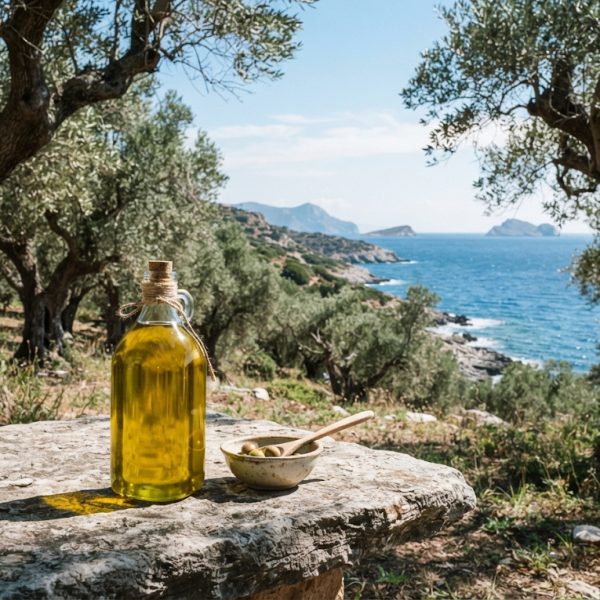
Along the Aegean coast of Turkey, olive trees that are several centuries old still produce fruit every autumn, and family mills press it into oil that chefs in London, Chicago and Sydney now ask for by name. Exporters in Ayvalik, Edremit and Izmir have learned that quality in the bottle is only half of the work. A buyer abroad will judge the oil by the label, the lab report and the first email long before tasting a drop, so every document must be as clean as the oil itself. This article walks through the paperwork of olive oil exports and shows how producers can present it in clear English.
From Grove to Bottle
Buyers want to understand where the oil comes from. Describe the grove, the olive variety, the altitude, the harvest date and the pressing method in plain terms. Words such as cold extracted, early harvest and single estate have specific meanings for importers, so use them only when they are true. Add the acidity level and the date of the last analysis, because experienced buyers look for these numbers first.
Labels That Pass Inspection
The label is a legal document as much as a marketing tool. It must state the category of the oil, the volume, the producer, the country of origin, the best before date and the storage advice, and importing countries may add their own rules. Do not translate the Turkish text word by word. Ask a specialist to check each term against the labelling rules of the destination market, and keep a record of the approved wording for each country. The International Olive Council publishes trade standards and definitions on its website at internationaloliveoil.org, which is a useful reference for terminology.
Laboratory Reports and Certificates
Importers often request laboratory analysis, certificates of origin, organic certificates and phytosanitary documents. These contain chemical values, standards and the names of institutions, and a small error can block a shipment. Keep the numbers exactly as in the original and add the unit in the form used by the buyer. Official certificates usually require a certified version, so plan time for it before the container leaves the port.
Finding a Reliable Partner for Turkish Documents
Producers often ask an employee who studied English to prepare the contracts and certificates, and it works until a dispute arises. A professional turkish translation company can manage the full set, from labels to contracts, and apply the same terms in every file. Send the translator your technical vocabulary, the names of varieties and a list of approved product names. That glossary will save hours and prevent confusion between similar terms.
Contracts and Payment Terms
An export contract should state the quantity, the quality, the delivery date, the price, the packaging, the payment method and the way disputes are solved. Incoterms such as FOB or CIF must be written correctly, because they decide who pays for transport and insurance at each step. Agree in writing which language version prevails and have a lawyer review the English text. Short and precise clauses protect both sides better than long and vague ones.
Packaging and Product Safety Notes
Bottles, tins and boxes carry information on handling, allergens and recycling. Products sold in Europe must follow rules about safety and traceability, and our article on GPSR translation requirements explains how language rules apply to consumer goods. Even when your product is food and not a general consumer item, the principle is the same: the information must be understandable to the person who buys it.
Tasting Notes and Storytelling
Restaurants and retailers love a good story. Write tasting notes in English that describe aroma, bitterness and pungency in honest words, and avoid exaggerated claims. A sentence about the family, the village and the tradition of the harvest gives the product a face. Keep it short, because buyers read dozens of offers every week. Photographs of the grove and the mill add trust and should carry clear captions.
Trade Fairs and Buyer Visits
At international fairs, a printed brochure and a clean price list make a strong first impression. Prepare them in English, with the same product codes as in your system. When buyers visit the mill, a short welcome guide that explains the tour, the safety rules and the tasting order shows professionalism. Prepare a few ready answers to questions about organic status, yields and storage.
Emails and Follow Up
Most orders are settled by email. Write short messages with a clear subject line, the key figures in the first paragraph and a polite closing. Confirm every agreement in writing, and keep a folder for each customer with offers, contracts and certificates. A tidy archive makes audits easier and helps new staff learn how the company works.
Building a Reputation Over the Seasons
Each harvest brings a new chance to improve. Review your documents once a year, update the lab data and ask your buyers what was unclear. Small improvements in wording, layout and consistency add up. When the English documents show the same care as the harvest, importers stop treating your oil as a one season experiment and start planning their year around it.